
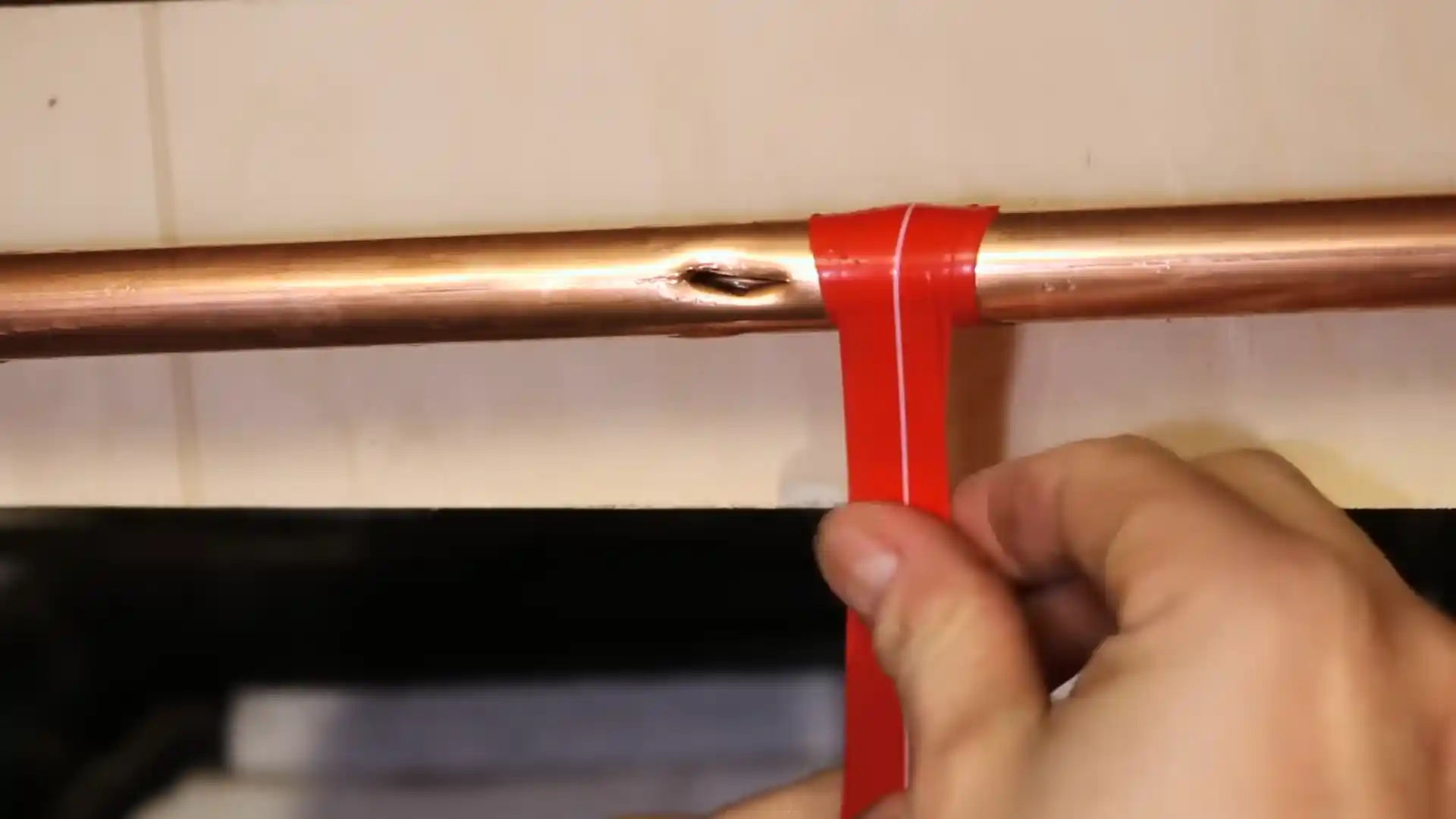
When a pipe fails in a Loveland home and water ruins flooring, drywall, and personal property, the first call after stopping the water is often to the insurance company. Whether that call produces a check or a denial comes down to a single word in almost every homeowner policy: sudden.
Insurance covers sudden, unexpected water damage from plumbing. It does not cover damage from slow leaks, deferred maintenance, or conditions the homeowner could have caught and did not. Understanding exactly where that line sits, and how to stay on the right side of it, is what this guide covers.
What ‘Sudden and Accidental’ Actually Means
A pipe that burst during a January freeze, split open a fitting, and flooded a kitchen in minutes is sudden. That event is almost universally covered by homeowner policies, subject to your deductible, provided you took reasonable precautions (the insurer will ask whether the heat was on and whether the pipes were insulated).
A pinhole that has been seeping for three months and slowly wet a wall cavity is not sudden. When a contractor opens the wall and finds black mold behind a drywall section that has been damp since fall, the insurer sees evidence of a condition that existed and was not addressed. That claim is often denied in full.
The problem is that the distinction only matters after the fact, when you are looking at the damage, not before, when a slow leak is forming. Most homeowners do not know they have a slow leak until they open a wall or find a stain.
Common Coverage Scenarios
| Event | Typically covered | Typically not covered |
|---|---|---|
| Burst pipe from freeze | Water damage to home, contents, tear-out access to pipe | The pipe itself; negligence if heat was off |
| Appliance supply line failure (sudden) | Water damage to floors, walls, contents | The appliance or the supply line itself |
| Slab leak (pipe burst under slab) | Water damage, cost to access the leak (cut concrete) | The pipe; damage from long-running slow leak |
| Slow pinhole leak over months | Usually denied (not sudden) | Everything, including water damage and mold |
| Sewer backup | Only if sewer backup endorsement was purchased | Standard policies exclude this |
| Pipe failure from neglected maintenance | Usually denied | Insurer may argue foreseeable and preventable |
The Slab Leak Insurance Puzzle
Slab leaks create a unique insurance situation in Loveland. A pipe that burst suddenly under the slab is covered the same way any sudden burst pipe is covered: the water damage is covered, and the cost to access the leak (cutting concrete) is typically covered, but the pipe itself is not. What complicates slab claims is the evidence the adjuster sees when the slab is opened.
If the concrete shows long-term efflorescence (white mineral staining from water migrating through it), or if the soil under the slab is deeply saturated, the adjuster may conclude that the leak has been running for a long time. A slow slab leak that has run for months is not sudden. A professional locate report dated to the day the homeowner discovered symptoms, combined with a clear record of when symptoms first appeared, is the documentation that draws the line between discovery and leak duration.
The slab leak locate report should include the date, the pipe type, the failure point, and the technician’s assessment that the failure was previously unknown. That assessment is what an adjuster needs to process the claim correctly.
The Loveland Freeze Denial Scenario
Colorado’s freeze seasons create one of the most common insurance disputes in northern Colorado: a frozen pipe that burst when the homeowner was away. Insurers will ask two questions. First, was the heat on? Most policies require the home to be maintained at a minimum temperature when pipes could freeze, typically 55 degrees Fahrenheit or warmer. Second, was the home checked during an extended absence? If a Loveland homeowner left for two weeks in January and came back to a flooded basement, the insurer may argue that a proper check-in during the absence would have caught the failure earlier and limited the damage.
Neither of these questions is asked before the claim. They appear in the investigation after, which is why winter travel from a Loveland home requires leaving heat on and arranging for someone to check the property.
Why Documentation Before Opening the Wall Matters
The single most useful thing a Loveland homeowner can do between discovering a water problem and opening any wall is to get a professional locate report. A written report that documents the location of the leak, the pipe type, and the date of discovery, established before any concrete is cut or drywall is opened, is the evidence that the failure was unknown and sudden.
Without that document, a claims adjuster who sees a flooded wall may conclude that the evidence of long-term moisture (staining patterns, mold growth, softened drywall) means the leak was not sudden. A written locate report dated before the opening repairs establishes the discovery date and the claim that the homeowner acted promptly once the failure was identified.
A professional locate that produces a written report is not a major cost. It is a major protection. If a slab leak or buried-line failure is involved, it is arguably more important than the repair itself in terms of financial outcome.
The Pipe Itself Is Not Covered
Every homeowner policy in Colorado that covers sudden water damage makes a clear distinction: the water damage is covered, but the plumbing that failed is not. Repairing or replacing the burst pipe is always the homeowner’s expense. The policy covers what the water did after it left the pipe, not the pipe itself.
This means a homeowner facing a sudden pipe failure has two cost buckets: the plumbing repair (their cost, typically $300 to $5,000 depending on what failed and how it needs to be fixed) and the water damage restoration (potentially covered, often $5,000 to $25,000 in a significant event). Protecting the second bucket starts with the locate report and a prompt, documented response.
What Good Documentation Looks Like
The most useful insurance documentation for a Loveland water event includes: the date the homeowner first noticed a symptom; a professional locate report with the date it was performed, the location of the failure, and the pipe type; photos of the damage extent before any work begins; and the plumber’s written assessment that the failure was previously unknown and not a result of deferred maintenance.
The professional locate is the anchor document. It should be written, signed, and dated before any wall is opened and before any concrete is cut. Everything else in the claim file references back to it. Call (303) 552-3896 as soon as water damage is discovered; the first step is a locate report, not a repair quote.
In the Loveland area, adjusters are familiar with freeze events in Zone 5b winter conditions and with clay-soil slab stress. A well-documented sudden failure claim in either category typically processes without significant dispute. An undocumented event where the evidence of long-running moisture is visible when the wall first opens is where disputes start. Call (303) 552-3896 as soon as water damage is found and before any wall is touched; the locate report starts the documentation clock.
Call (303) 552-3896 for a professional locate with written documentation before any wall or concrete is opened. The report is the difference between a covered claim and a conversation about whether the leak was really sudden.